
The best fabric for plushies depends on how you plan to use them — whether you're sewing a plushie from scratch, shopping for a cuddly collectible, or evaluating plush toy quality before buying.
With the global plush toys market valued at over $13 billion, fabric choice has never mattered more. We've broken down the top options so you can pick the right material for any craft project.
Shop The Plush Toys Collection Now
Key Takeaways
-
Minky and fleece are the top all-around fabrics for plushies, offering the best balance of softness, stretch, and ease of sewing for most skill levels.
-
Fabric type determines a plush toy's feel, durability, and washability — squishy cuddle plushies need stretch (minky fabric, mochi minky), while structured display pieces work better with cotton or felt.
-
Safety matters when sewing for others — fabrics used in commercially sold stuffed toys must meet ASTM F963 safety standards for material quality, flammability, and chemical content.
-
Stuffing material is just as important as the outer fabric — polyester fiberfill is the most popular choice for its resilience, hypoallergenic properties, and machine-washability.
Top 8 Fabrics for Plushies
1. Felt

Felt is one of the most popular non-woven fabrics for hand-sewn plushie projects. Made from natural fibers like wool or synthetic fibers like acrylic, felt combines different fibers. Felt is extremely light and has no grain, meaning you don't have to be a master seamstress to sew with it. Its flexibility in detailing makes it the best fabric for small, hand-stitched trinkets, ornaments, and applique accents where intricate craft work matters.
Small clip-on plush toys like the Adventure Time BMO Happy 4-Inch Plush Keychain showcase how compact, detailed stuffed toys can capture a character's personality at a portable size — the kind of project where felt's precision really shines.
The downside is that felt lacks stretch and doesn't hold up well to repeated cleaning, so it's better suited for decorative plushies than everyday cuddle soft toys. The finished plushie won't look that fuzzy or fluffy either.
2. Fleece

Fleece is a top choice for both beginners and experienced plushie makers who love to sew. This knit fabric is soft and has just the right amount of stretch — perfect for squishy stuffed animals — yet it can still hold its shape. It comes in a wide range of colors, patterns, and prints, is affordable at most craft stores, and washes well in machines. Fleece is also resistant to pilling and lightweight enough to sew without a specialized machine foot. Look for anti-pill fleece specifically, which prevents small fabric balls from forming over time and keeps the surface smooth after repeated use.
Many officially licensed plush toys use fleece or fleece-blend knit fabrics for their soft, huggable feel. The Fallout 4 Vault Boy 111 Thumbs Up 12 Inch Plush is a great example of a high-quality cloth plushie with a clean design, while the Family Guy Stewie 9-Inch Collector Plush Toy captures intricate character features on a durable fabric surface.
3. Faux Suede
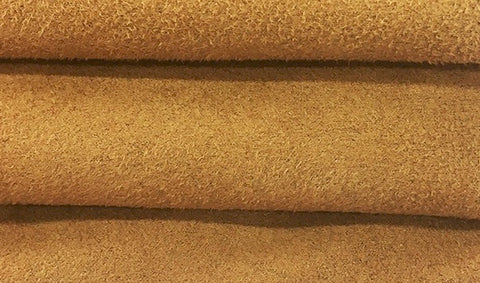
Faux suede is perfect if you want a stuffed animal that’s not too fuzzy yet still extremely soft. However, you do want to take note to get “faux” suede instead of real suede, as real suede is technically leather and won’t be good for plush toys at all!
Faux suede is also not that stretchy, so it can be challenging to work with, especially if you’re a beginner. But we have to say it’s worth it to be able to make plush toys from faux suede!
4. Cotton

Cotton is a classic fabric for stuffed animals, though it's used less often on its own today because it's not as soft and squishy as other fabrics. Cotton is biodegradable and skin-friendly, which makes it a natural choice for small children and sensitive users, but it wrinkles easily and absorbs moisture. If you choose to sew with this type of fabric, you will need plenty of stuffing to prevent the seams from puckering. Cotton also tends to shrink in the wash, so pre-washing your fabric before cutting is a good craft habit.
Here's a tip: you don't have to limit yourself to cotton alone. Today, many manufacturers use this fabric as an accent in their plush toy creations. Quilting cotton with printed designs is also a great option for structured art dolls and display-oriented plushies where crisp lines matter more than squishiness. A plushie keychain like the Harry Potter 4 Inch Plush Chibi Keychain | Ron Weasley shows how blended fabrics and detailed stitching along the seams can bring a small-scale character to life.
Shop The Plush Toys Collection Now
5. Faux Fur

Faux fur is a bit expensive and difficult to work with, especially if you are a beginner at making stuffed toys. You will also rarely find stuffed animals made entirely from faux fur; usually, it is used for accents like long hair.
To work with faux fur, you must cut and sew through the back only to avoid wasting fur.
6. Minky

Most commercially made stuffed animals use minky fabric — it's known for its buttery softness and luxurious feel, yet it's still stretchy and structured. You'll be able to craft beautifully rounded plushies with this versatile material, even as a beginner. Minky comes in different pile lengths (1mm, 3mm, and 5mm), and shorter piles are easier to sew while longer piles create a fluffier, slightly fuzzier look.
That being said, minky can be expensive (typically $15 to $25 per yard), and the colors and prints can be limited. This fabric type also has a "right" side — meaning you'd have to sew following the grain. Keep the pile direction consistent across all pattern pieces for a uniform look. Use a walking foot attachment on your sewing machine, and hold layers together with wonder clips instead of pins to avoid permanent holes in the surface.
You can see the premium feel of minky in officially licensed plush toys like the Tamagotchi Mametchi 6-Inch Collector Plush and the Tamagotchi Furawatchi 6-Inch Collector Plush, both of which use smooth, vibrant fabric to capture these beloved digital pets.
A popular subcategory is mochi minky, a polyester-spandex blend with an ultra-short 1mm pile and 4-way stretch. This is the same type of plush fabric used in Squishmallows, which gives those plushies their signature squishy feel. The MochiOshis 6-Piece Box Of Chocolates Plush With Storage Tin is another fun example of mochi minky in action — each piece uses that ultra-soft spandex-blend plush fabric.
7. Velboa
Velboa is a very short plush microfiber textile (approximately 1.5mm thickness) that's closely related to minky but less stretchy, making it significantly easier to sew. It has a smooth, velvet-like surface with great color retention. Many plush toy manufacturers use velboa as their go-to fabric because it balances softness with production efficiency — it suits both small craft runs and large-scale manufacturing, including factories in China.
Collectibles like the Bee and PuppyCat 16-Inch Collector Plush Toy | Laser Mouth PuppyCat and the Eyeball Overlord 8-Inch Collector Plush use smooth, short plush fabric types like velboa to achieve clean embroidered details and vivid colors on a soft surface.
If you want the polished look of minky without the slippery sewing experience, velboa is worth trying. A close relative — sometimes called velvet or velour — provides an elegant finish and holds its shape well, making it another suitable option for plushies that need a refined, smooth look.
8. Flannel

Flannel doesn’t have a lot of stretch, but it’s more forgiving than cotton. This type of fabric is made from natural polyester blends, with many different styles and patterns available on the market.
On the downside, flannel isn’t the most durable fabric for plushies — it frays easily and will pill over time.
Read: What's the Best FNAF Plushie?
How Do These Plush Fabric Textures Compare?
|
Fabric |
Softness |
Stretch |
Sewing Difficulty |
Cost |
Durability |
|---|---|---|---|---|---|
|
Fleece |
High |
Moderate |
Easy |
Low |
High |
|
Minky |
Very High |
High |
Moderate |
High |
High |
|
Felt |
Low |
None |
Very Easy |
Low |
Low |
|
Cotton |
Moderate |
None |
Easy |
Low |
Moderate |
|
Faux Fur |
High |
Low |
Hard |
High |
High |
|
Velboa |
High |
Low |
Easy |
Moderate |
High |
|
Faux Suede |
High |
Low |
Moderate |
Moderate |
Moderate |
|
Flannel |
Moderate |
Low |
Easy |
Low |
Low |
What Should You Look for When Choosing Plush Fabric?
Customization & Flexibility
The best thing about creating your own plushie from scratch is the freedom and flexibility in customization. Get creative — from picking the fabric, choosing accents, and incorporating accessories, like the safety eyes and noses! Making toys from scratch can be time-consuming, but the final result is something to be proud of.
Even if you'd rather skip the sewing, understanding fabric helps you appreciate the craft behind collectibles like the What We Do In The Shadows Nadja Doll 14-Inch Plush or the Fugglers 5-Inch Plush Clip-On | Sasquoosh - White, where different types of plush fabrics and textures are combined to nail each unique design.
Fabric Type

Ultimately, the choice of which fabric to go with is yours. Do you want something that’s structured yet soft? How about the texture and its final squishiness?
Ease of Cleaning
Of course, you can’t expect the toy's quality to look as good as the first day you’ve made it. Or perhaps you’re giving the toy project to small children, and you’d like to make sure that they are washable and hypoallergenic. [1]
All fabrics made with natural materials can easily be cleaned for stains and dirt, so it’s better to go this route. Learn how to wash plushies here.
Durability

It’s no secret that tightly woven fabrics will stand the test of time better, so you want to opt for this type of material for your craft plushies for better quality. It’s no fun for children (and adults alike!) to play with a worn-out toy.
Softness
Plushies should be soft and squishy. Before you commit to using a type of fabric, ask the local fabric shop for some swatches so you can have an idea of their textures and feels.
For softness alone, we definitely recommend going with fleece or minky!
Price Point

Everything still boils down to the price point you’re comfortable with. Are you okay with investing a lot of money in your DIY plushie, as it will serve as a sentimental memento? Or would you rather go for the more economical route and spend your hard-earned money somewhere else?
Whichever you choose to go with is ultimately up to you. After all, plenty of fabrics are available that are extremely inexpensive yet still durable!
Practical Considerations for Plushie Fabrics
- Washability: Plushies made from fleece or cotton blends are easier to clean, while faux fur may require spot cleaning.
- Pet-Friendly Fabrics: If plushies are for pets, durable and non-shedding fabrics like microfiber fleece are ideal.
- Color Retention: Synthetic fabrics like polyester fleece hold color better than natural fibers, preventing fading over time.
- Eco-Friendly Options: Bamboo fleece and organic cotton offer sustainable alternatives for plushie-making.
FAQs
Can You Use Any Fabric for Plushies?
You can choose from a wide range of fabrics for plushies, but the best fabric depends on your project. Stretchy fabrics like minky and fleece work best for cuddly, rounded shapes, while non-stretch options like felt and cotton are better for structured or decorative plushies. Your comfort level with sewing should also factor in — some fabrics like faux fur require advanced craft skills.
What Fabric Is Soft and Fluffy?
Fleece and minky are the go-to fabrics for soft and fluffy plushies. Mochi minky — the spandex-blend plush fabric used in Squishmallows — is especially popular for creating ultra-squishy stuffed animals. Both minky and fleece are fairly easy to sew with, especially if you're just starting to make your own stuffed toys.
What Fabric Are Squishmallows Made Of?
Squishmallows use a proprietary spandex-blend plush fabric commonly called mochi minky. It features an ultra-short 1mm pile with 4-way stretch, which is what gives Squishmallows their signature marshmallow-soft texture. The interior uses polyester fiberfill stuffing for that slow-squish compression.
What Stuffing Do You Use Inside a Plushie?
Polyester fiberfill is the most popular stuffing for plushies because it's lightweight, hypoallergenic, and holds its shape over time. PP cotton is another common option used in commercial production. For extra-squishy results, some makers combine fiberfill with small foam beads or use memory foam chunks.
How Can You Tell if a Plush Toy Is High Quality?
Look for double-stitched seams, even stuffing distribution, and vibrant colors that won't fade after washing. Officially licensed plush toys from brands in our plush collection typically use higher-grade minky or velboa fabrics and reinforced construction. Collectibles such as the Jujutsu Kaisen 0: The Movie 8-Inch Plush Toy | Satoru Gojo and the Marvel's Avengers: Age of Ultron Vision 10" Plush Figure are good examples of detailed embroidery and quality plush fabric construction.
In Conclusion
That wraps up our guide to the best fabric for plushies.
Fleece and minky stand out as the top overall choices — fleece for its affordability and ease of use, and minky for its premium softness and professional finish. For hand-sewn beginners, felt is a great starting point for small craft projects. And if you're after that signature Squishmallow-style squish, mochi minky is the plush fabric to look for.
Whichever material you choose, consider its durability, softness, washability, and price point before making any final decisions. Crafting your own plushie collection can be time-consuming, but the result is worth it.
Prefer to skip the sewing and go straight to cuddling? Browse our plush toys collection for officially licensed stuffed animals made with premium fabrics. Stock up on your favorites and buy more and save more across the collection.
Shop The Plush Toys Collection Now
Sources: